
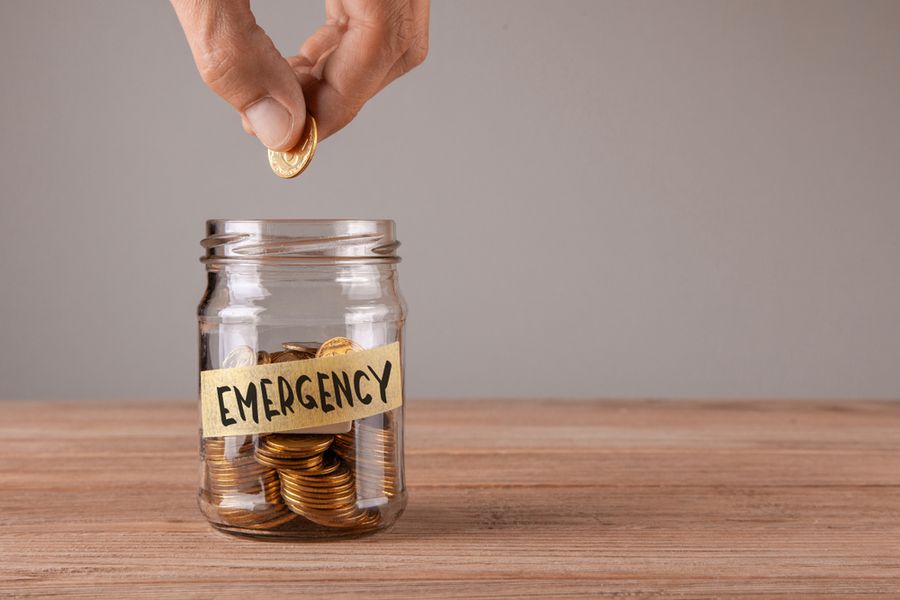
Building an emergency fund can be harder when income changes from month to month. Freelancers, commission-based workers, seasonal employees, and others with variable earnings cannot always commit to the same savings amount every payday. That does not mean emergency savings are out of reach. A better approach is to build around cash flow, stronger income periods, and flexible contribution rules so saving can continue without creating shortages during leaner months.
1. Start With a Smaller First Target
A large emergency-fund goal can feel unrealistic when income is unpredictable, so begin with a smaller milestone. The first objective might simply be enough to cover one common unexpected expense, such as a car repair, medical bill, or urgent home expense. Even a modest reserve can provide some financial security when income fluctuates.
Once that first target is reached, increase it gradually. Breaking the goal into stages can make progress easier to track and prevents the process from feeling all-or-nothing. The important part is creating a separate pool of money that is reserved for genuine emergencies rather than waiting until you can fund several months of expenses at once.
2. Save a Percentage Instead of a Fixed Dollar Amount
A fixed monthly transfer can work poorly when one paycheck is much larger than the next. Instead, consider setting aside a percentage of each payment or deposit you receive. That way, contributions naturally become larger during stronger income periods and smaller when earnings fall.
For example, someone might decide that every client payment, commission check, or gig payment triggers a savings contribution before the remaining money is allocated elsewhere. The exact percentage should reflect the household's cash flow. This method keeps saving consistent as a habit without pretending that every month provides the same amount of disposable income.
3. Use High-Income Months to Build Faster
Irregular income usually means some months are stronger than others. Instead of letting spending rise automatically when more money comes in, decide in advance what portion of above-normal income will go toward the emergency fund.
This approach aligns well with guidance for people whose pay fluctuates: stronger weeks or months can create opportunities to move additional money into savings, while weaker periods may require smaller contributions. Bonuses, large commissions, unusually profitable freelance months, or seasonal income peaks can all accelerate progress without forcing the same contribution during slower periods.
4. Build a Cash-Flow Buffer Alongside the Emergency Fund
An irregular-income household often needs two different types of reserves. One covers genuine emergencies, while the other helps smooth out normal gaps between income and recurring expenses. Mixing the two can cause an emergency fund to be repeatedly drained for predictable bills.
Track when money typically arrives and when major bills are due. If those dates regularly clash, building a small checking-account buffer can help absorb timing differences. Managing cash flow by tracking when income comes in and expenses go out can reveal opportunities to adjust spending, savings, or even bill due dates.
5. Use Windfalls and One-Time Payments Strategically
Large one-time payments can be especially valuable when regular contributions are difficult. Tax refunds, bonuses, cash gifts, rebates, or unusually large project payments can provide an opportunity to make a meaningful deposit without depending entirely on monthly saving.
You do not necessarily need to save the entire amount. Decide beforehand what portion will go to the emergency fund and what portion can be used elsewhere. Saving some or all of a tax refund or another unusually large payment can be particularly useful for people with irregular income because it creates progress that may be hard to achieve through smaller routine deposits alone.
6. Automate Carefully Rather Than Aggressively
Automatic savings can still work with variable income, but the setup should reflect that variability. A large recurring transfer scheduled for the same date every month could create an overdraft risk if income arrives late or is lower than expected.
One alternative is to automate a small baseline amount that you know is manageable, then add manual transfers after stronger pay periods. Another is to schedule transfers shortly after expected deposits while monitoring the checking balance closely. Automatic transfers can make saving more consistent, but they should be adjusted when income changes so they do not create cash-flow problems.
Separate Emergency Savings From Taxes and Other Obligations
For self-employed workers and independent contractors, money sitting in a bank account may not all be available for spending or emergencies. Some of it may already be needed for taxes, business expenses, insurance, or other obligations.
Keep those amounts separate from the emergency fund whenever possible. Using distinct accounts or clearly labeled savings buckets can make it easier to see what money is actually available for unexpected personal expenses. Otherwise, a seemingly healthy emergency balance may shrink quickly when a tax payment or business bill comes due.
Build Around Flexibility, Not Perfect Consistency
An emergency fund does not have to grow by the same amount every month to be effective. For someone with irregular income, flexibility is often more realistic than rigid contribution targets. What matters is developing a system that directs money toward savings whenever cash flow allows.
Start with a manageable goal, contribute proportionally when income arrives, use stronger months and windfalls to accelerate progress, and maintain a separate buffer for routine income gaps. Over time, those uneven contributions can still build a meaningful reserve that provides more stability when both expenses and income are unpredictable.